
Ourika Valley Day Trip from Marrakech to the Setti Fatma Waterfalls
The Ourika Valley from Marrakech is about an hour’s drive into the foothills of the High Atlas, the nearest green valley to the city. On the way up you stop at an argan oil cooperative, then walk from Setti Fatma to the first of its waterfalls and have lunch by the river.
- DURATION
- ROUTE
- TOUR TYPE
- PICKUP
- PRICE
Ourika Valley trip from Marrakech at a glance
- 1 day
- Marrakech · Tnine Ourika · Ourika Valley · Setti Fatma · Marrakech
- Private tour
- Riad or hotel pickup
- Best time: April to October
Setti Fatma and the Ourika waterfalls
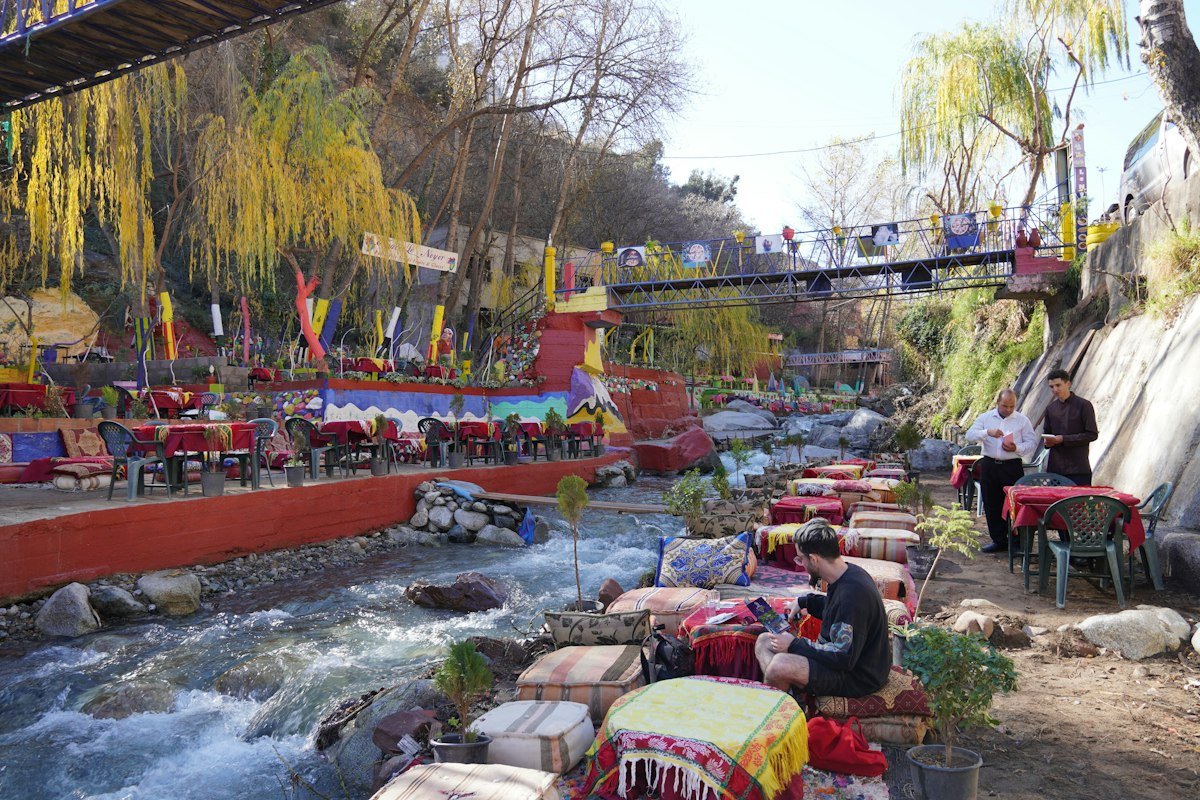
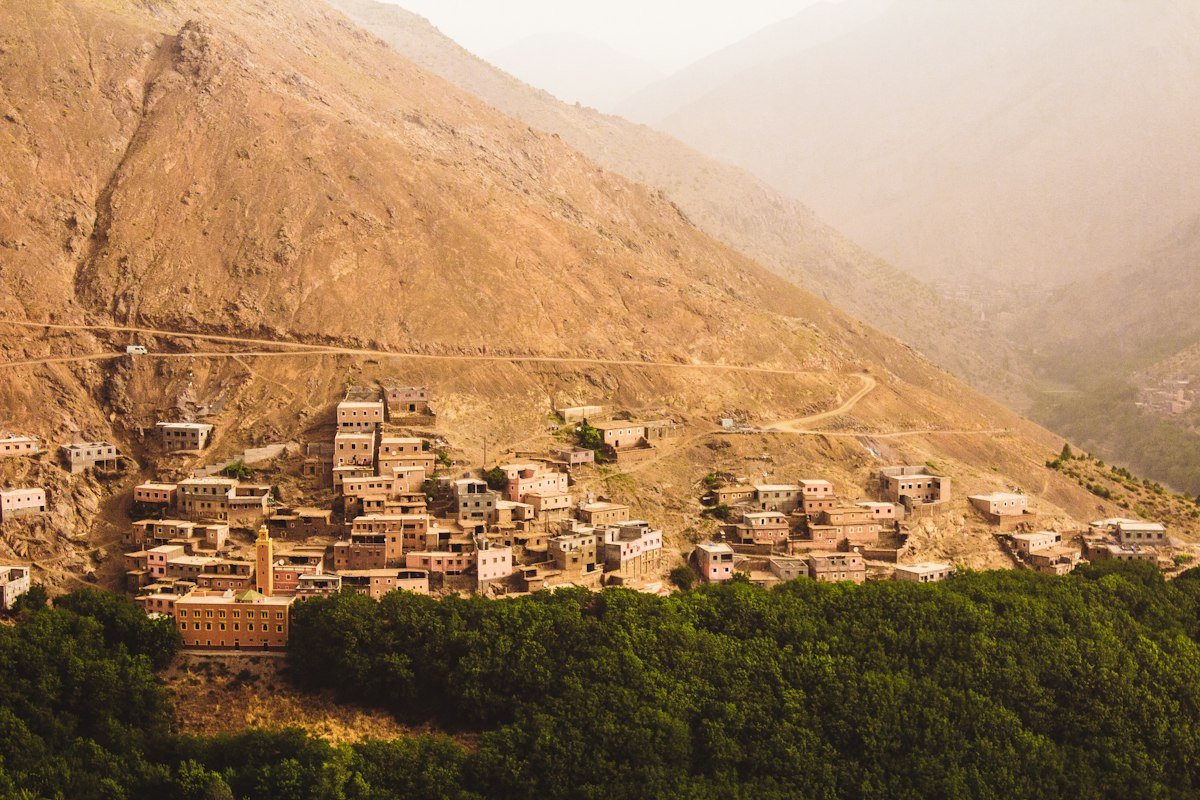
The road leaves the plain at Tnine Ourika and follows the river into the High Atlas. Along the way are earth-built villages, orchards and small restaurants with their tables set out over the water.
At the end of the road is Setti Fatma. A path climbs beside the stream to a string of waterfalls; the first is about half an hour’s walk, with some rocky steps. Stop there, or carry on to the higher falls with a local guide. You are back in Marrakech by late afternoon.
Highlights
- The road along the Ourika river into the High Atlas
- A Berber village house or garden on the way up the valley
- An argan oil cooperative run by local women
- The walk to the waterfalls above Setti Fatma
- Lunch at a table by the river
Read more: Ourika Valley and UNESCO listing for argan know-how.
How the day goes
From your pickup in the morning to the drop-off at the end of the day.
Morning · Into the valley
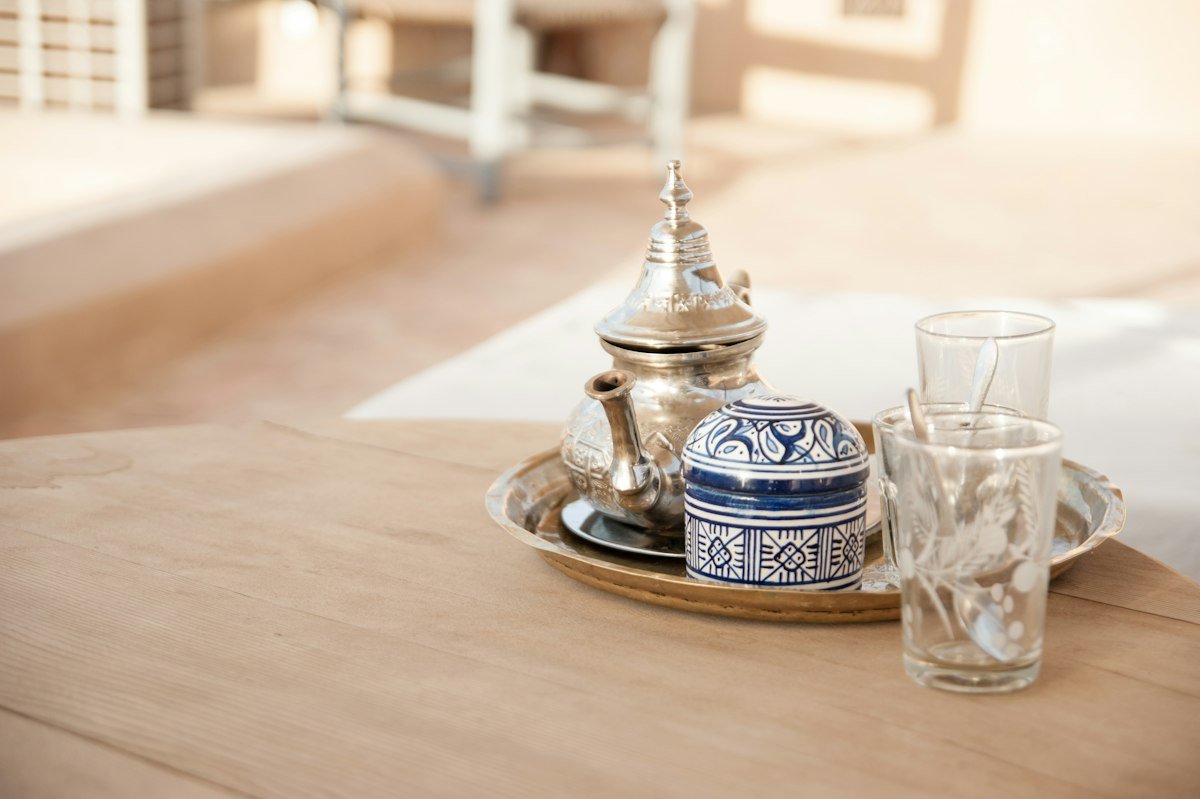
Pickup at your riad or hotel around 9:00. The drive to the mouth of the valley takes about an hour. On the way up you can stop at an argan oil cooperative to see how the oil is made, and visit a village house for mint tea.
Midday · Setti Fatma and the waterfalls
At the end of the road, a local guide walks with you from Setti Fatma up the side of the stream to the first waterfall, about thirty minutes each way. Fitter walkers can carry on to the higher falls.
Afternoon · Lunch and back to Marrakech
Lunch at one of the riverside restaurants, then the drive back down the valley. You are dropped at your riad or hotel in the late afternoon.
What is included and not included
Included
- Private vehicle and driver for the day
- Pickup and drop-off at your riad or hotel in Marrakech
- Local guide for the walk to the waterfalls
- Fuel and parking
Not included
- Lunch and drinks
- Entrance fees and local guides at the sites
- Tips
- Travel insurance
Pickup, best time to go and what to bring
Pickup points
We pick you up at your riad or hotel in Marrakech at the time you choose. If your riad is in a lane cars cannot enter, the driver waits at the nearest square or gate and someone from the riad walks you there.
Best time to go
April to October suits walking. In winter the higher villages can have snow, and Toubkal becomes a winter climb from about December to March.
What to bring
Walking shoes with grip, a warm layer and a waterproof, a hat and sun cream, water, and some cash for lunch and tips.
Good to know
The weather in the mountains changes faster than in Marrakech, so carry a warm layer even on a hot day. Village paths are rocky and can be muddy after rain. Dress modestly in the villages, ask before taking photos of people, and carry small notes in dirhams for lunch, tea and tips. Mules can carry bags where cars cannot go, and your guide arranges them.
Price, deposit and cancellation
Prices are per person and depend on the size of your group. You book with a 20% deposit by card or PayPal and pay the balance on the first day of the tour.
If you cancel 30 days or more before the start, we refund the deposit in full; after that the deposit is kept. You can change the date once for free if you ask 14 days or more before. The details are in our Cancellation Policy.
Questions about the Ourika Valley trip from Marrakech
How far is the Ourika Valley from Marrakech?
Setti Fatma, at the top of the road, is about 65 km from Marrakech, a drive of around an hour and a quarter.
How hard is the walk to the Setti Fatma waterfalls?
The path to the first fall is short but rocky, with steep steps and a few river crossings, so wear shoes with grip. The higher falls need a longer scramble with a local guide.
Is the waterfall walk difficult?
The path to the first fall is short but uneven, with rocks to step over and a few steep bits. Good shoes help. You can also skip the walk and spend the time in the village.
When is the best time to go?
Spring and autumn are the most comfortable. In summer the valley is cooler than Marrakech but busy at weekends, so a weekday is better.
Can we change the timing?
Yes. You choose the pickup time, the stops and how long you stay out.
Is it suitable for children?
Yes. Let us know their ages and we adjust the walking and the stops.
How do I book?
Send an enquiry with your dates and group size and we reply with availability and a quote. When online booking is open for this tour, you can also reserve with a deposit by card or PayPal.
Book this tour
Send your dates and group size and we reply with a quote.
- Private tour, only your group
- Free enquiry, no obligation
- Private tour, only your group
- Free enquiry, no obligation
- Route and timing adjusted to you
More Day Trips from Marrakech
- High Atlas
Lalla Takerkoust Lake and Three Atlas Valleys, Day Trip from Marrakech
1 day · Marrakech, round trip
Lalla Takerkoust is a reservoir lake about 40 km south-west of Marrakech, below the first ridges of the High Atlas.
- High Atlas
Oukaimeden Day Trip from Marrakech, Ski Station and Rock Carvings
1 day · Marrakech, round trip
Oukaimeden is a high plateau in the High Atlas, about 75 km from Marrakech, with Morocco’s main ski station at around 2,600 metres.
- High Atlas
Toubkal Trek from Marrakech, 3 Days to the Summit of Mount Toubkal
3 days / 2 nights · Marrakech, round trip
Our 3-day Toubkal trek takes you from Marrakech to the summit of Mount Toubkal, at 4,167 metres the highest point in North Africa, with a qualified mountain guide.